What Are the Signs That Your Ceramic Coating Is Wearing Off?
Ceramic coating helps protect a vehicle’s paint while maintaining its gloss, smooth appearance, and water-repelling properties. However, its performance can gradually change because of environmental exposure, improper washing, harsh cleaning products, and insufficient maintenance. Recognizing the signs ceramic coating is wearing off can help vehicle owners determine whether their coating needs routine maintenance, professional decontamination, or reapplication. In Colorado Springs, CO, changing weather conditions, road debris, and everyday driving can influence how a vehicle’s exterior looks and performs over time. Understanding these warning signs allows drivers to take appropriate steps to maintain their vehicle’s finish and preserve the benefits of ceramic coating.
1. Reduced Water Beading and Hydrophobic Performance
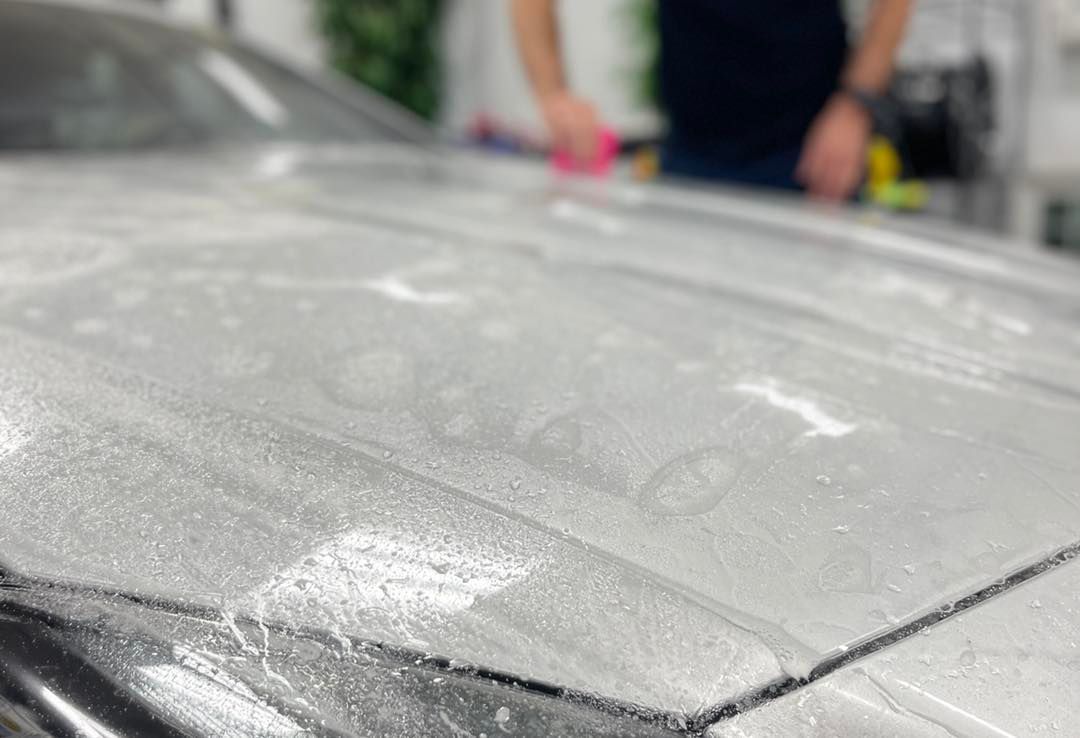
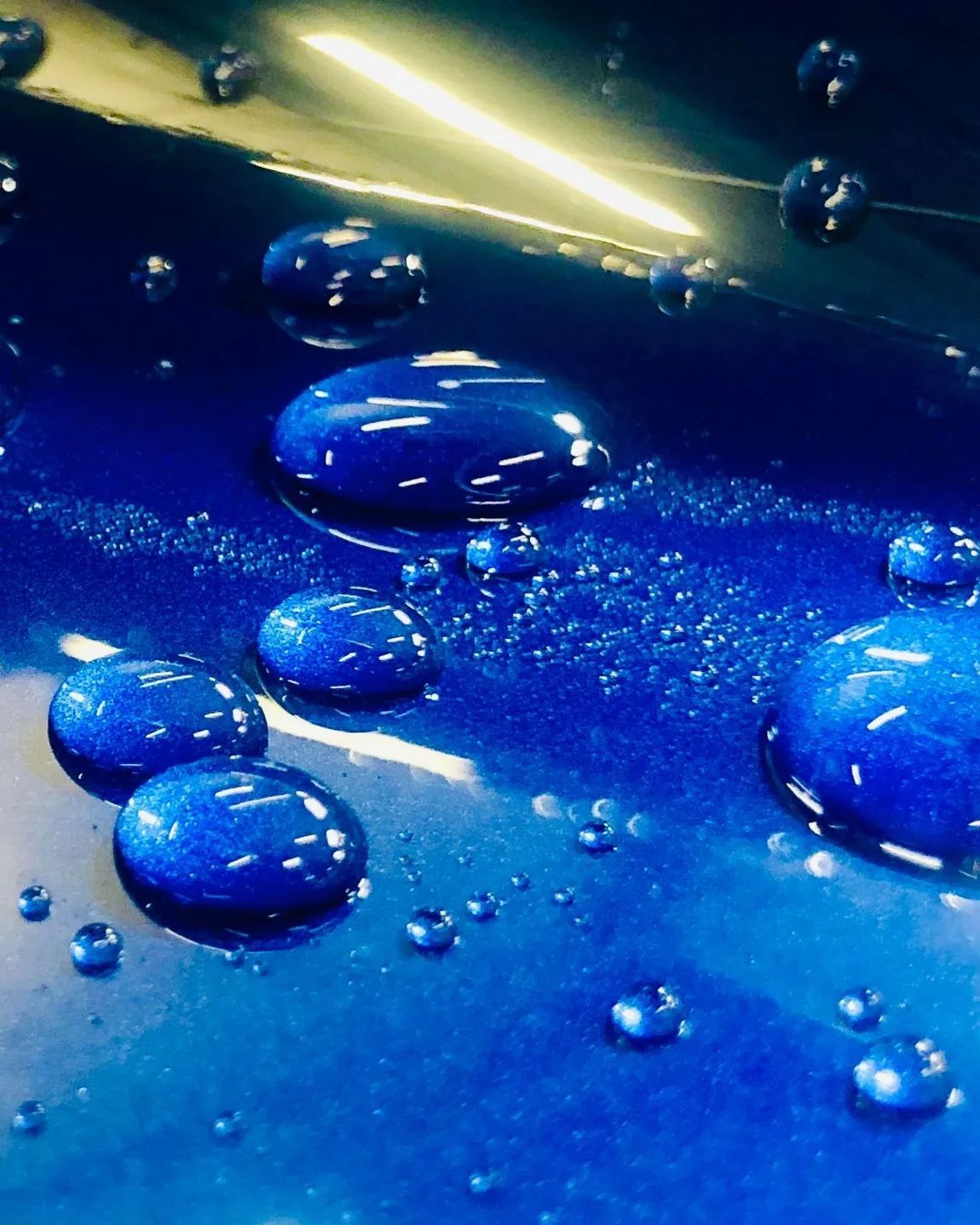
One of the most noticeable signs ceramic coating is wearing off is a change in how water behaves on your vehicle’s paint. A ceramic coating typically creates a hydrophobic surface that encourages water to form beads and move away from the exterior. When this behavior becomes less noticeable, the coating may need attention, although surface contamination can also affect its performance.
Water No Longer Forms Tight Beads
When ceramic coating is performing as expected, water often forms distinct beads across the painted surface. If water begins spreading into larger patches instead, it may indicate that the surface has accumulated contaminants or that the coating’s hydrophobic properties have weakened. Drivers in Colorado Springs may notice these changes after exposure to road grime, mineral deposits, or environmental debris. However, reduced water beading alone does not confirm that the coating has completely failed.
Water Remains on the Paint Longer
Another possible warning sign is water staying on the vehicle’s exterior rather than running off as readily as before. When water behavior changes across several painted panels, it may be worth examining the coating’s condition. Mineral deposits and product residue can also interfere with water movement, so proper washing should come before deciding whether the coating needs professional attention.
2. Decreased Surface Slickness
A properly maintained ceramic-coated vehicle often feels smooth after washing, making routine exterior care more manageable. When the paint begins to feel less slick or noticeably rougher, it may indicate surface contamination or changes in the coating’s performance. Assessing the surface condition helps vehicle owners distinguish between a maintenance issue and a potential coating problem.
The Paint Feels Rougher Than Before
A rough surface can develop when airborne particles, road grime, and other contaminants accumulate on the paint. These substances may interfere with the smooth finish associated with a well-maintained ceramic coating. Vehicles driven regularly around Colorado Springs can encounter road debris and environmental contaminants that gradually affect the exterior. If the surface feels rough after a proper wash, professional paint decontamination may help identify and address the underlying issue.
Surface Texture Does Not Always Mean Coating Failure
A loss of slickness does not automatically mean the ceramic coating has worn away. Contamination can remain on the surface even when the coating underneath is still functioning. Appropriate cleaning and maintenance may improve the feel of the paint without requiring a new coating. If roughness continues after suitable care, a professional assessment can help determine whether the coating needs additional treatment.
3. Increased Dirt and Contaminant Accumulation
Ceramic coating helps make routine vehicle cleaning easier by reducing the tendency of contaminants to adhere strongly to the painted surface. When dirt begins accumulating more noticeably or the vehicle becomes harder to maintain, the coating may need attention. These changes should be considered alongside driving conditions, washing frequency, and the type of contaminants affecting the exterior.
Dirt Sticks More Easily to the Paint
If dust, road grime, and other contaminants appear to cling to the vehicle more readily, the coating’s surface performance may have changed. Environmental exposure can contribute to buildup, particularly when vehicles are driven frequently or parked outdoors. In Colorado Springs, local road conditions and changing weather may affect how quickly a vehicle becomes dirty. Regular washing with suitable products helps prevent excessive buildup and supports the condition of the exterior finish.
The Vehicle Looks Dirty Soon After Washing
A vehicle that becomes dirty again shortly after cleaning may have accumulated contaminants that interfere with the coating’s intended benefits. However, this can also happen because of driving conditions, airborne dust, or frequent exposure to wet roads. Instead of assuming the coating has failed, consider whether the vehicle needs more thorough cleaning or professional decontamination. Persistent problems after appropriate maintenance may indicate that further inspection is necessary.
4. Fading Gloss and Reduced Paint Clarity
Ceramic coating can enhance the appearance of automotive paint by contributing to a glossy, reflective finish. If your vehicle begins looking dull or loses some of its previous visual depth, it may be time to assess the coating and the paint beneath it. A change in appearance can result from contamination, improper washing, surface wear, or other paint-related issues.
The Paint Looks Dull or Less Reflective
A coated vehicle may gradually lose some of its original shine when contaminants accumulate or the surface is not maintained correctly. Swirl marks and other paint imperfections can also affect reflections, making the finish appear less vibrant. Drivers in Colorado Springs who park outdoors should pay attention to changes in the paint’s appearance after routine washing. If the finish remains dull, professional evaluation can help determine whether the issue involves the coating or the underlying paint.
Environmental Exposure Can Affect the Finish
UV exposure, road contaminants, mineral deposits, and improper washing practices can affect the appearance of a vehicle’s exterior. Over time, these factors may reduce the visible benefits associated with a well-maintained ceramic coating. Appropriate washing and maintenance help remove surface buildup and preserve the finish. If dullness continues despite proper care, a professional assessment may identify whether paint correction, decontamination, or coating reapplication is appropriate.
5. The Vehicle Becomes More Difficult to Clean
One of the practical benefits of ceramic coating is that it can make regular vehicle washing easier. When dirt becomes more difficult to remove or the paint no longer responds to routine cleaning as expected, the surface may need additional care. These changes can indicate contamination or reduced coating performance, making it important to assess the vehicle before choosing a treatment.
Dirt and Road Grime Require More Effort to Remove
If ordinary washing no longer removes dirt as effectively as before, contaminants may have accumulated on the paint or the coating’s performance may have changed. Using excessive scrubbing pressure or abrasive materials can create additional problems for the finish. A suitable washing process helps remove everyday grime while reducing unnecessary surface contact. Persistent cleaning difficulties may justify professional decontamination or an inspection of the coating.
Washing Does Not Restore the Previous Finish
Sometimes, a vehicle remains dull or continues to show poor water beading even after a thorough wash. This may indicate that surface contamination requires more specialized treatment or that the coating needs further evaluation. Repeatedly using stronger cleaning chemicals is not a reliable solution and may introduce additional risks. A professional assessment can help determine whether maintenance will restore the coating’s observable performance or whether reapplication should be considered.
6. What Causes Ceramic Coating to Wear Off?
Ceramic coatings are designed to provide durable paint protection, but their performance depends on the product used, application quality, driving conditions, and maintenance habits. Understanding the factors that affect a coating can help vehicle owners make informed decisions about exterior care. For drivers in Colorado Springs, regular maintenance is particularly important when vehicles are frequently exposed to outdoor conditions and road contaminants.
Environmental Exposure and Colorado Weather
UV exposure, temperature fluctuations, road debris, and environmental contaminants can influence a vehicle’s exterior over time. Vehicles that remain outdoors for extended periods may experience more exposure to these elements than those kept in covered parking. Seasonal driving conditions around Colorado Springs can also contribute to dirt and mineral buildup. Regular cleaning and appropriate maintenance help address these challenges and preserve the coating’s intended benefits.
Improper Washing and Harsh Cleaning Chemicals
Using dirty wash mitts, abrasive materials, or unsuitable cleaning products can affect the vehicle’s finish and interfere with coating performance. Aggressive chemicals may also leave residue or affect certain coating products when used incorrectly. Choosing compatible car-care products and following appropriate washing methods helps reduce unnecessary wear. Vehicle owners should avoid using stronger chemicals simply because water beading has decreased.
Lack of Regular Maintenance
Neglecting routine washing allows contaminants to accumulate and can make a coated vehicle increasingly difficult to maintain. Even durable ceramic coatings benefit from care that suits the product’s specifications and the vehicle’s driving conditions. Regular maintenance helps remove dirt before it becomes more difficult to manage. It also provides opportunities to identify changes in gloss, water behavior, and surface condition before deciding whether professional treatment is necessary.
7. How to Tell the Difference Between Contamination and Coating Failure
Reduced water beading, roughness, and fading gloss can suggest that a ceramic coating needs attention, but these symptoms do not necessarily indicate complete failure. Surface contamination may prevent the coating from performing as expected, even when some of its protective properties remain. Determining the cause before pursuing additional treatment can help avoid unnecessary work and expenses.
When Cleaning or Decontamination May Help
Proper washing with compatible products can remove everyday dirt and residue that interfere with the coating’s surface behavior. When contaminants remain after routine cleaning, professional decontamination may help restore observable hydrophobic performance and improve the finish. The appropriate method depends on the type of contamination and the coating manufacturer’s recommendations. Maintenance should always be selected according to the vehicle’s actual condition rather than relying on water beading alone.
When Professional Inspection Is Recommended
If the vehicle continues to show reduced water beading, diminished gloss, or difficult cleaning after appropriate maintenance, professional inspection may be the next step. An experienced detailing professional can assess the paint, identify possible contamination, and evaluate whether the coating appears to have deteriorated. This assessment helps determine whether further cleaning, paint correction, maintenance treatment, or reapplication is suitable for the vehicle.
8. When Should You Consider Ceramic Coating Reapplication?
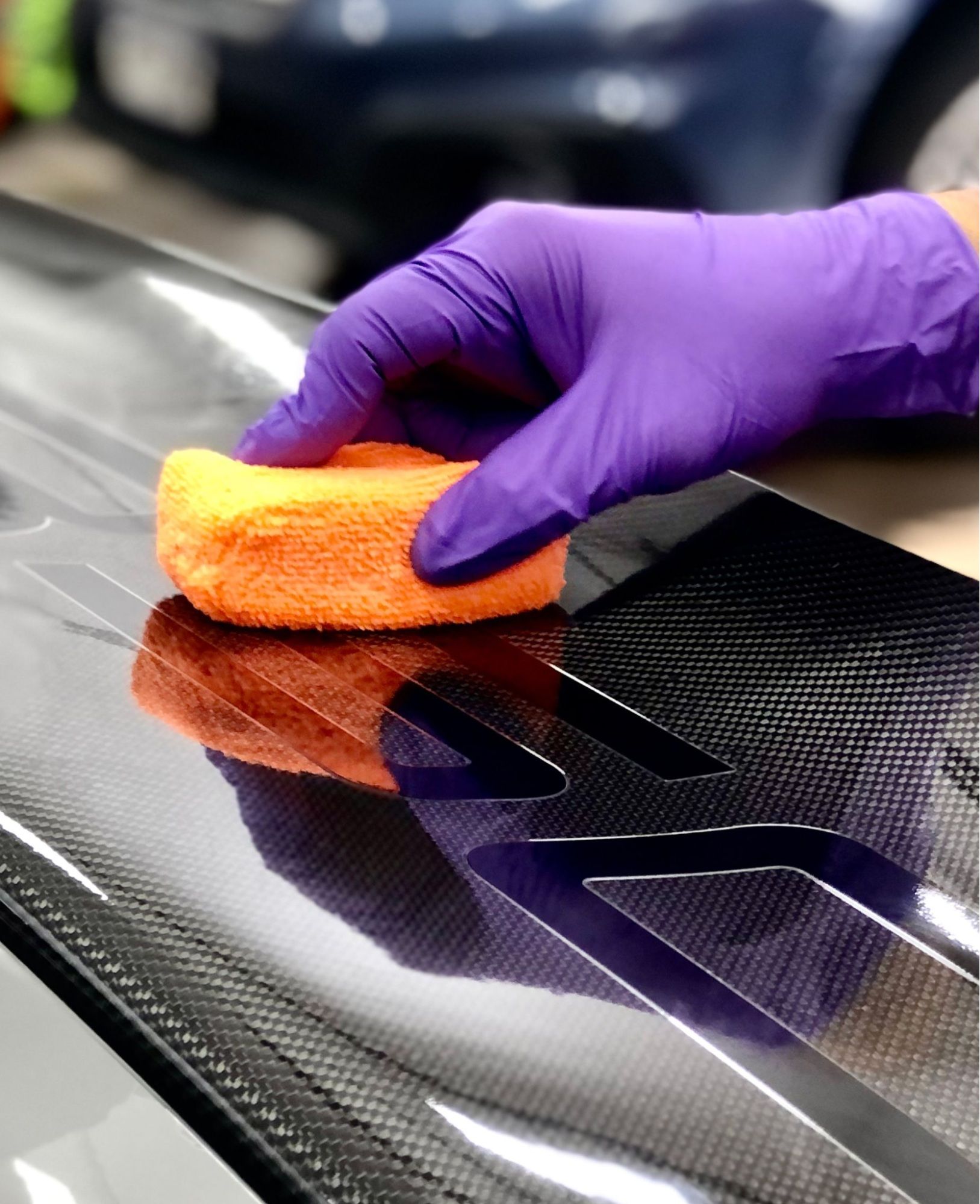
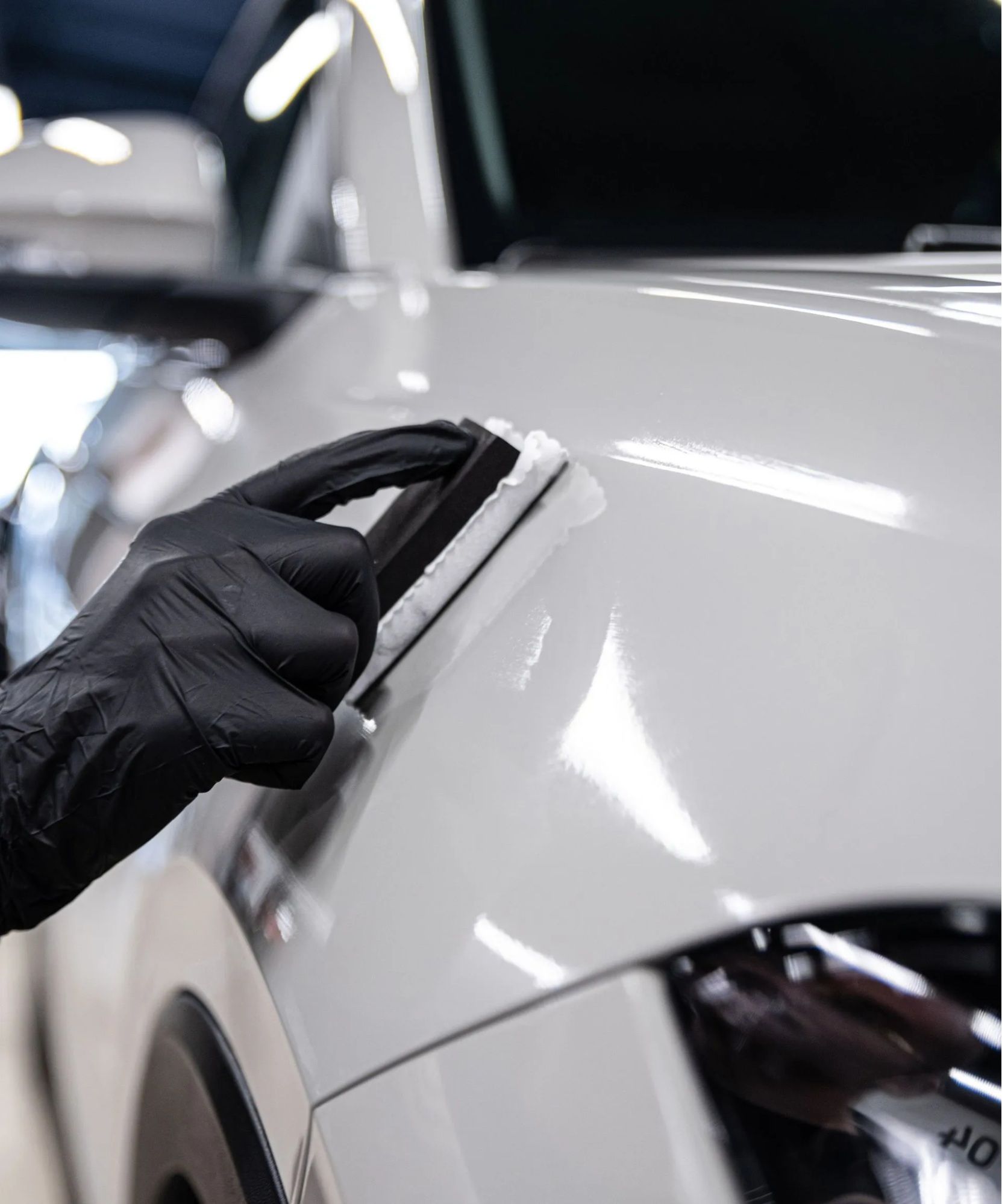
Ceramic coating reapplication may be appropriate when the existing coating has reached the end of its expected service life or no longer delivers the intended performance. However, the decision should consider the coating’s age, maintenance history, product specifications, and condition of the paint. Before scheduling another
ceramic coating service, identifying the underlying cause of reduced performance helps ensure that the next step addresses the actual problem.
Persistent Signs of Reduced Performance
When poor water behavior, reduced gloss, and cleaning difficulties continue despite suitable maintenance, the coating may require more extensive attention. These symptoms are more meaningful when considered together rather than individually. A professional assessment can help establish whether the coating remains serviceable or has deteriorated beyond what routine care can address. This approach helps vehicle owners make a more informed decision about maintaining their vehicle’s exterior.
Professional Assessment Before Reapplication
Before applying a new ceramic coating, the existing surface should be evaluated to determine whether contamination, paint imperfections, or coating deterioration is responsible for the observed changes. Depending on the vehicle’s condition, preparation may involve thorough cleaning, decontamination, or paint correction. Applying a new coating without addressing the underlying surface can compromise the final result. Professional guidance helps establish an appropriate preparation and protection plan.
9. Maintain Your Ceramic Coating with Pro Auto Spa in Colorado Springs, CO
Recognizing the signs ceramic coating is wearing off can help you protect your vehicle’s appearance and determine when professional care is necessary. Reduced water beading, decreased slickness, increased dirt accumulation, fading gloss, and difficult cleaning may indicate contamination or declining coating performance. Regular washing and appropriate maintenance can help preserve the finish, while professional inspection can determine whether decontamination or reapplication is needed. Vehicle owners in Colorado Springs can consider Pro Auto Spa for automotive appearance and ceramic coating services tailored to their vehicle’s condition and paint protection needs.
For assistance with your vehicle’s ceramic coating and exterior care, visit Pro Auto Spa’s contact to discuss your needs with the team. Appropriate maintenance and professional evaluation can help you make informed decisions about preserving your vehicle’s finish over time.